
The New World Order
Energy, War, and the Unravelling of the Post-War System

Thesis
“Civilisations decay when the institutions created to serve society begin to serve themselves.” Carroll Quigley (1910–1977)
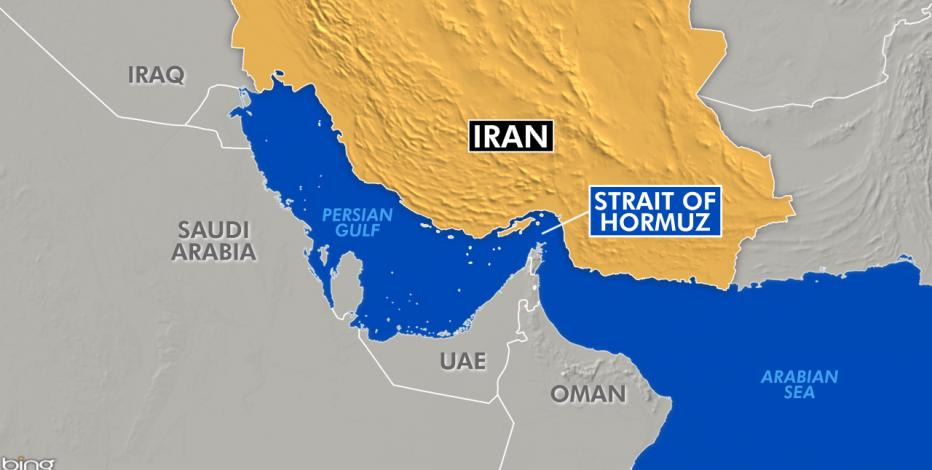
“Strait of Hormuz”
The 2026 war with Iran is not merely a regional conflict but a test of the energy, shipping, and financial systems that sustain the modern global economy. What may appear to be a short war driven by political calculation could instead expose the fragility of the international order the United States has managed since 1945, particularly as the conflict unfolds at the Strait of Hormuz, the maritime corridor through which roughly one-fifth of the world’s oil flows.
1. Strategic Arteries of the World Economy
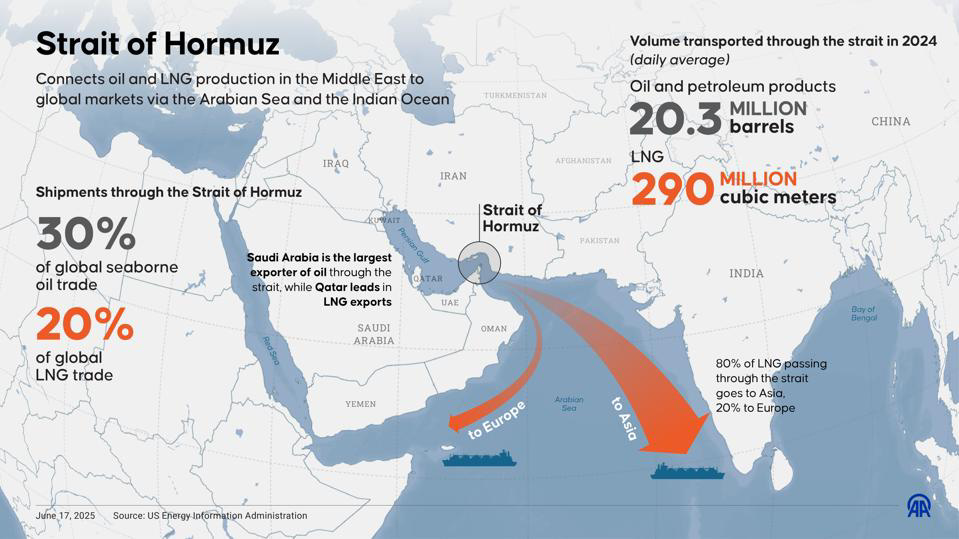
“Gulf states export 20% of the world’s oil but import 70-90% of their food via the Strait of Hormuz.”
Major wars sometimes expose weaknesses long hidden within the systems that sustain great powers. Collapse rarely comes all at once; it begins when political choices collide with the economic networks on which stability depends.
Throughout history, global power has rested on the control of a small number of strategic economic mechanisms. These mechanisms rarely attract attention during periods of stability, but when they are threatened, the consequences ripple across the entire international system.
In the early modern world, global economic exchange revolved around the flow of silver into China. European merchants exchanged bullion for Chinese goods because China possessed the manufacturing capacity and commercial networks on which others depended. When Britain could no longer sustain the outflow of silver, it forced a structural change through the Opium Wars, reshaping global trade.
The contemporary global economy rests on a comparable mechanism, though the commodity is no longer silver but energy. The Persian Gulf now occupies a position similar to that once held by China in the global silver system. Oil extracted from the region fuels the industrial economies of Asia, Europe, and North America. The revenues generated from that energy circulate through global financial markets and international trade, forming one of the central circuits of the world economy.
At the centre of this system lies a narrow passage of water: the Strait of Hormuz. Roughly one-fifth of the world’s oil consumption and a large share of global liquefied natural gas exports move through this corridor each day. No other maritime chokepoint carries such a concentration of strategic resources. The stability of this route underpins the global economy.
When conflict emerges at such a location, the implications extend far beyond the states directly involved. A confrontation in the Persian Gulf is never purely regional. It intersects with the energy flows, shipping routes, and financial structures that sustain the modern international order. For that reason, the present war with Iran must be understood not only as a geopolitical clash but as a disturbance within the very arteries of the global economic system.
2. The Architecture of the Post-War Order
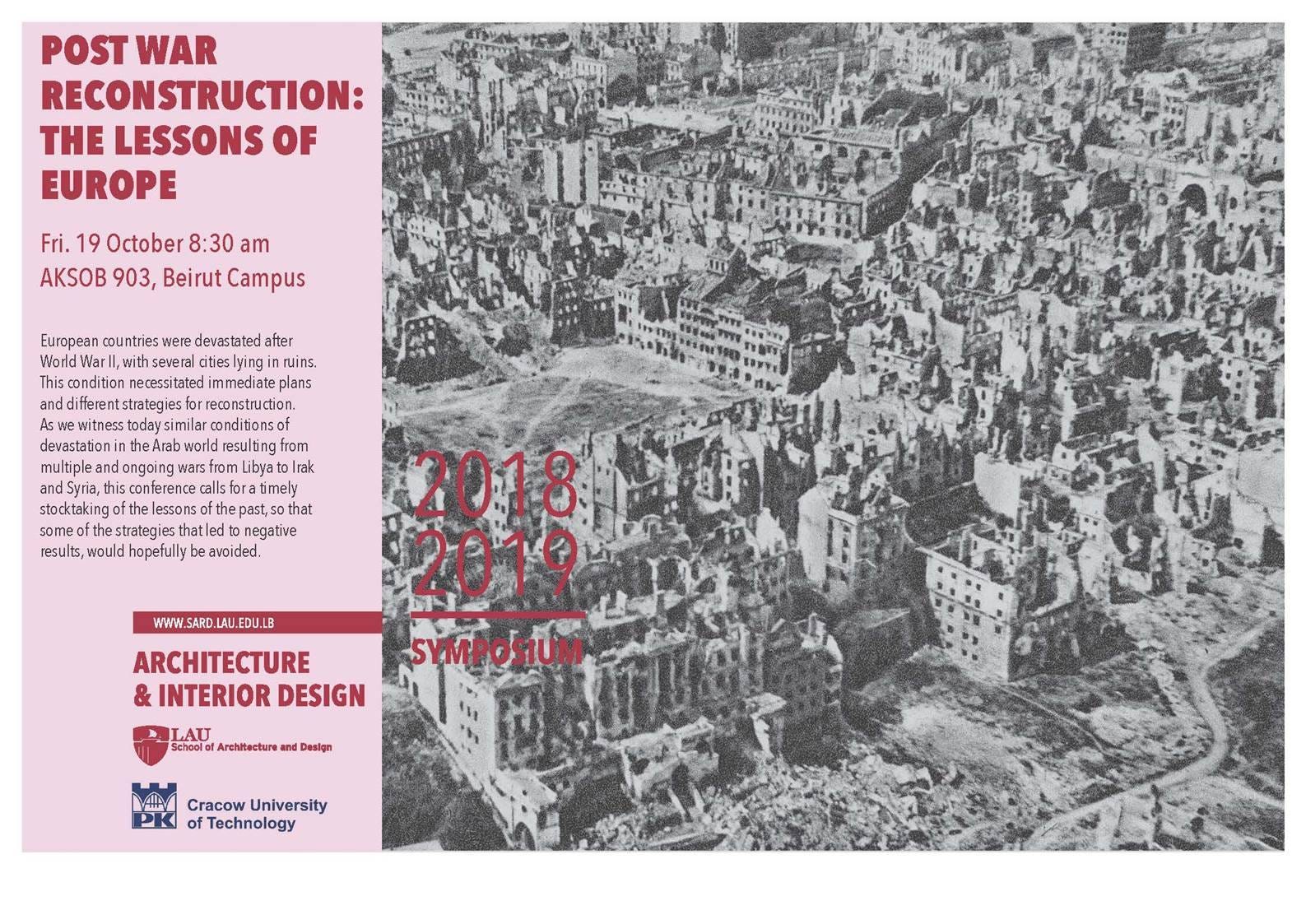
“Lessons Not Learnt”
The international order that emerged after the Second World War did not resemble earlier imperial systems built on territorial control. Instead, it rested on the organisation of global economic networks. The United States emerged from the war not only with the world’s largest industrial economy but also with the institutional capacity to stabilise the systems that underpinned international trade and economic growth. These systems formed the architecture of the post-war order.
The foundations of this system were laid in 1944 at the Bretton Woods Conference, where Allied governments established a framework designed to prevent the financial instability that had contributed to the Great Depression and the collapse of the interwar world economy. The conference created the International Monetary Fund and the World Bank, institutions intended to stabilise currencies, support reconstruction, and provide financial assistance to countries facing economic crises. At the centre of the new system stood the United States dollar, which became the anchor currency of global trade and finance.
The dollar’s central role gave the United States a unique position within the emerging order. International trade increasingly relied on dollar-denominated transactions, while global financial markets accumulated dollar reserves. The arrangement provided stability for the post-war economy but also embedded American financial institutions at the centre of the international system.
The United States also assumed responsibility for protecting the maritime infrastructure upon which global commerce depended. Nearly ninety per cent of world trade moves by sea, and the safety of shipping routes is essential for the functioning of the global economy. Through its naval presence across the Atlantic, the Mediterranean, the Indian Ocean, and the Pacific, the United States helped guarantee that these routes remained open.
Energy flows formed the third pillar of the system. Industrial economies increasingly relied on oil, much of which originated in the Middle East. The Persian Gulf gradually became the world’s most important energy resource hub, containing nearly half of the planet’s proven oil reserves. Ensuring that these resources could move safely from producers to consumers became a central strategic priority.
These three elements, finance, shipping, and energy, formed a self-reinforcing structure. Gulf oil exports were largely priced in dollars, and the revenues flowed back into global financial markets, returning to the United States as investments in government bonds and other assets. The result was a circular system linking energy production, maritime trade, and global finance.
This system became known as the “petrodollar” arrangement. Since much of the world’s oil was priced and traded in dollars, nations reliant on imported energy needed substantial dollar reserves. Energy demand strengthened the dollar’s role at the core of global finance. The steady energy supplies from the Persian Gulf not only supported industrial economies but also maintained the post-war monetary structure. In this context, control over maritime routes and energy corridors was both a military and financial strategy.
For several decades, this arrangement proved remarkably stable. The United States possessed the industrial strength, financial capacity, and naval reach necessary to maintain it. Under these conditions, global trade expanded rapidly, technological innovation accelerated, and economic growth spread across large parts of the world.
The very success of this system also contained the seeds of future transformation. As global trade expanded, new centres of economic power began to emerge. Industrial capacity spread beyond North America and Western Europe to parts of Asia, where countries such as Japan, South Korea, and later China developed large manufacturing sectors integrated into global markets. Economic growth in these regions gradually shifted the world economy’s centre of gravity toward the Indo-Pacific.
Even as the world economy became more regionally dispersed and the Indo-Pacific gained weight, the Persian Gulf remained central to the system. Its energy resources continued to fuel industrial economies across Asia, Europe, and North America. The Strait of Hormuz remained the most critical passage for a substantial share of global supply.
The present war with Iran must be understood within this broader framework. The conflict has erupted not at the periphery of the global economy but at one of its most vital junctions. Any disruption to energy flows through the Persian Gulf could reverberate through the financial and commercial networks that sustain the modern international order. The stakes extend far beyond the immediate military objectives of the states involved.
3. Carroll Quigley and the Management of World Systems
“An Institutional System”
Few historians analysed that structure more systematically than Carroll Quigley, whose work on the rise and transformation of civilisations remains one of the most ambitious attempts to understand how global power evolves. In The Evolution of Civilisations and Tragedy and Hope: A History of the World in Our Time, Quigley argued that the strength of a dominant power does not lie primarily in its ability to win wars. Rather, it lies in its capacity to organise and stabilise the economic and political systems upon which the wider world depends.
The modern order that emerged after the Second World War reflects this logic. The United States inherited and expanded the global structure first assembled under British leadership. Institutions such as the International Monetary Fund, the World Bank, and the North Atlantic Treaty Organisation stabilised finance, supported reconstruction, and reinforced security alliances. Within this architecture, the United States held a central position. It is the largest shareholder in both the International Monetary Fund and the World Bank, and its voting power in the IMF is sufficient to block major decisions, giving the United States decisive influence over the institution’s most important outcomes. At the same time, American naval power has protected the sea lanes through which global trade and energy flows move.
The result is a system that links energy production, maritime transport, and international finance into a single integrated structure. Oil from the Persian Gulf powers industrial economies worldwide. Shipping routes carry goods between continents. Financial flows centred on the United States dollar connect global markets. Together, these elements form the operating framework of the modern global economy, one in which the United States occupies a central position.
Quigley’s analysis also contained a warning. Institutions that once served society can gradually become institutions that serve themselves primarily. When this process occurs, what he called “institutionalisation,” systems lose their ability to adapt to changing circumstances. Economic power becomes concentrated, political legitimacy weakens, and institutions begin to protect existing privileges rather than solve emerging problems. Civilisations rarely collapse suddenly under these conditions. Instead, they enter a prolonged period of strain in which their structures remain powerful but increasingly rigid.
In such periods, the greatest challenge facing a dominant power is not defeating external enemies but maintaining the stability of the system it once organised. Wars become dangerous not only because of military risks but because they can disrupt the networks upon which economic life depends. Energy flows, trade routes, and financial confidence are delicate mechanisms. When they falter, the effects spread quickly across the international system.
From this perspective, the confrontation with Iran cannot be understood solely in military terms. It unfolds at one of the world economy’s most sensitive corridors and raises a deeper question: can the power that has managed the global system since 1945 still stabilise it in crisis?
Quigley’s framework suggests that the answer to that question may shape the future of the international order more profoundly than the outcome of any single battlefield engagement.
4. The Persian Gulf: Gearbox of the Global Economy
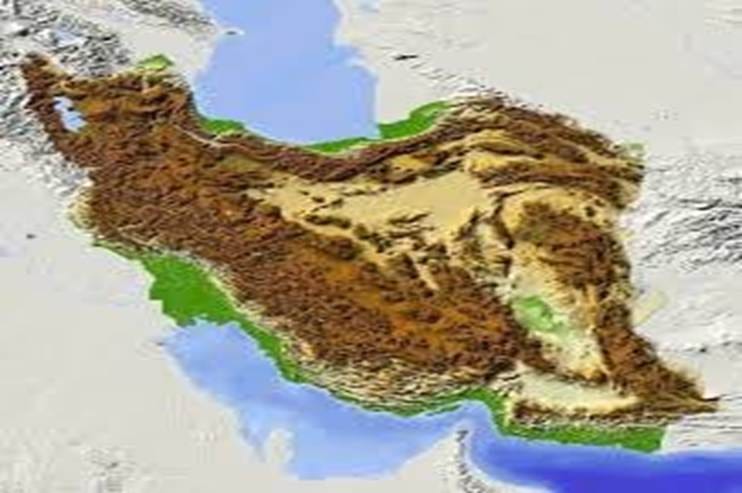
“Formidable Topography”
The strategic significance of the Persian Gulf lies not only in its concentration of energy resources but also in its role within the circulation of global wealth. In practical terms, the region serves as a central mechanism through which energy revenues, trade flows, and financial capital circulate in the international economy.
Countries bordering the Gulf, including Saudi Arabia, Iran, Iraq, Kuwait, Qatar, and the United Arab Emirates, collectively hold a substantial share of global petroleum resources. These reserves have enabled the region to become one of the world’s primary suppliers of energy to industrial economies. Oil produced in the Gulf fuels transportation networks, manufacturing industries, and agricultural production across continents.
The region’s importance lies not only in the oil beneath its soil but in the geography through which that oil must travel. Almost all Gulf energy exports pass through the Strait of Hormuz, a narrow corridor carrying roughly one-fifth of global oil consumption. No other maritime chokepoint carries such a concentration of strategic resources. Even a brief disruption would jolt energy markets, and alternative routes could not easily compensate for a prolonged closure.
The economic system surrounding the Gulf extends beyond energy flows alone. Oil exports generate enormous financial surpluses for producing states. Much of this revenue circulates back into the international economy through investments in financial markets, infrastructure projects, and global trade. Sovereign wealth funds and central banks in the region hold significant portfolios of international assets, including large holdings in Western financial markets.
Gulf economies also rely heavily on imports for many of the goods they consume. Food, machinery, industrial equipment, and advanced technology flow into the region from manufacturing and agricultural exporters across Europe, Asia, and North America. Gulf states import between 70 and 90 per cent of their food, much of it transported through the same maritime routes that carry oil outward from the region. The Strait of Hormuz functions not only as a conduit for global energy exports but also as a vital lifeline for the goods and food supplies on which Gulf economies depend.
The result is a circular system: energy is exported outward, manufactured goods and food are imported inward, and financial capital moves continuously between producers and consumers.
The war with Iran intersects directly with the central mechanisms of the modern global economy. Iran’s position along the northern Gulf gives it direct proximity to the Strait of Hormuz and to the energy flows passing through it.
This strategic geography ensures that a confrontation in the Gulf cannot remain purely regional. The implications extend to energy-importing economies across Asia, Europe, and beyond. As a result, the conflict must be understood not simply as a struggle between states but as a disturbance in one of the primary engines of the global economic system.
5. Strategy or Hubris
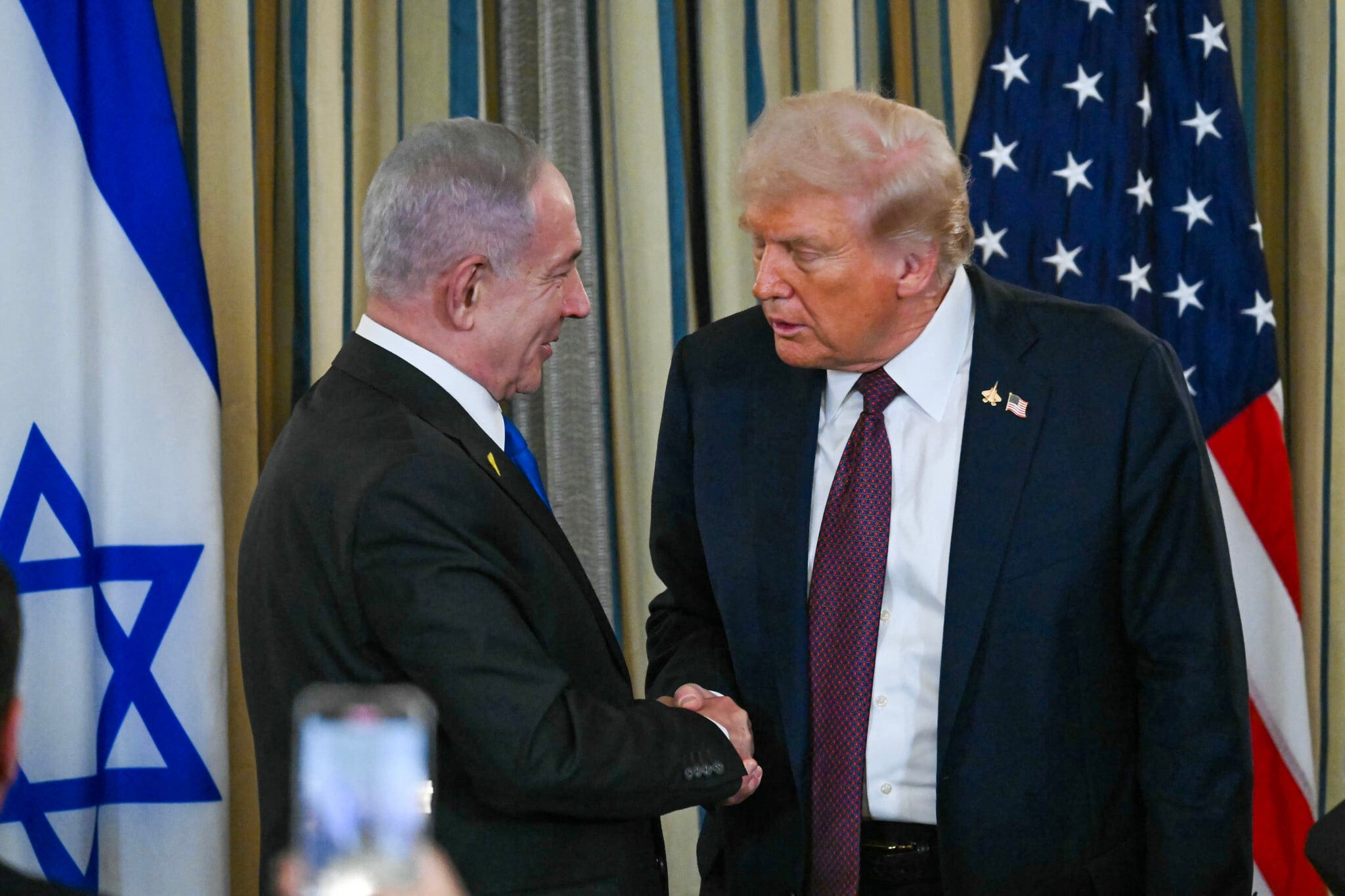
“Hubris Personified”
Structural forces shape international conflict, but wars ultimately begin with political decisions. Individuals make decisions of this magnitude, and in the present conflict, the leaders’ personalities have played a visible role. The confrontation with Iran has unfolded under the leadership of President Donald Trump in the United States and Prime Minister Benjamin Netanyahu in Israel, two political figures whose political styles emphasise resolve, personal authority, and decisive action.
Both leaders have long portrayed Iran as the central obstacle to stability in the Middle East, presenting confrontation with Tehran as both a strategic necessity and a demonstration of strength. During the first week of the war, however, the public rationale advanced by Donald Trump has shifted repeatedly. Statements emerging from Washington moved between deterrence, retaliation, regime change, and the broader ambition of reshaping the regional balance of power. These rapid shifts in explanation leave the underlying objective of the conflict unclear, and the political narrative remains unsettled even as military operations proceed.
Modern political systems frequently reward demonstrations of firmness during periods of international tension. Leaders who cultivate reputations for toughness can find it politically difficult to retreat once confrontation begins. Escalation reinforces an image of strength, while restraint risks appearing weak. Under such conditions, geopolitical crises can evolve into tests of political credibility in which maintaining authority becomes intertwined with sustaining confrontation.
Within this context, confrontation with Iran functions not only as a strategic dispute but also as a stage on which political authority and personal legacy are asserted. The conflict is shaped not only by geopolitical calculation but also by the personal authority and political ambitions of the leaders directing it. Donald Trump’s political style has long been marked by ego and narcissistic self-regard, traits widely noted by American psychologists and commentators analysing leadership behaviour. When political credibility becomes invested in confrontation itself, escalation becomes tied to reputation. Military action then serves both as a demonstration of resolve and as a calculation of longer-term strategic outcomes. Under such conditions, strategic decisions are shaped less by the requirements of stability than by leaders’ perceived need to maintain authority and avoid appearing weak.
The danger emerges when political theatre collides with structural reality. Iran is not a minor regional actor that can be rapidly coerced into submission. It is a large state with deep strategic geography, a population approaching ninety million, and a long historical tradition of resisting external domination. Its position along the northern shore of the Persian Gulf places it directly beside the Strait of Hormuz, one of the most sensitive arteries of the global economy.
Iran’s strategic resilience also has deep historical foundations. The Persian state has endured for more than two millennia despite repeated attempts by external powers to dominate it. Geography played a decisive role: Iran’s mountains, plateaus, and deserts favour defence and complicate large-scale invasion.
The contrast with Iraq illustrates the strategic difference. Much of Iraq consists of open desert and flat terrain across which highly mobile armoured forces can move rapidly, as demonstrated during the 2003 invasion. Iran presents a far more complex environment. Mountainous terrain, vast interior distances, and difficult supply routes make large-scale military operations significantly more challenging. Expectations of a quick victory rest on assumptions that underestimate both the country’s terrain and the long historical pattern of resistance that such terrain has enabled.
A war launched on the assumption of rapid success can quickly encounter forces far larger than the leaders’ ambitions. Even limited disruption to energy flows through the Strait of Hormuz would produce immediate consequences for the global economy. Oil markets, shipping networks, and financial institutions would react rapidly to instability in such a critical corridor.
The danger extends well beyond the battlefield. A conflict shaped in part by political calculation could destabilise economic systems on which countries around the world depend. Military confrontation at the centre of global energy routes and financial networks carries consequences that can propagate far beyond the intentions of those who initiated the war.
The present crisis exposes a deeper tension between political decision-making and systemic risk. Economic systems evolve gradually over decades through trade networks, energy supply chains, and financial integration. Wars, by contrast, can be initiated within days by the decisions of individual leaders. When such decisions occur at the centre of global economic infrastructure, their effects can spread rapidly across continents.
6. China and the Silent Stakeholders
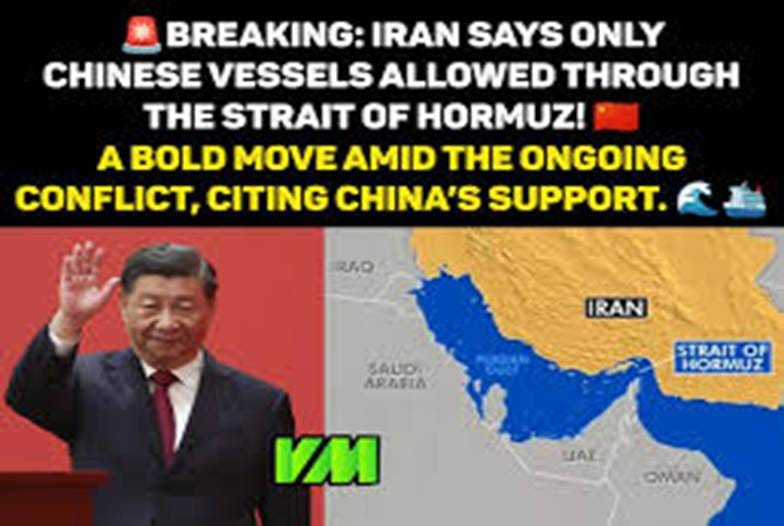
“The Chinese Connection”
If the Persian Gulf functions as one of the central arteries of the global economy, the states most exposed to disruptions in that artery are not necessarily those directly involved in the conflict. The countries whose industrial systems depend most heavily on the continuous flow of Gulf energy lie thousands of kilometres away in Asia. Among them, none has a larger stake in the stability of the region than China.
Over the past three decades, China has become the world’s largest manufacturing economy and a major energy importer, relying heavily on oil from the Middle East. Tankers leaving the Persian Gulf carry supplies essential to both China’s domestic economy and the export industries that serve markets worldwide.
This dependency explains Beijing’s careful response to the present war. China has not intervened militarily in the conflict, nor has it aligned itself openly with any of the principal actors involved. Instead, its diplomatic statements have emphasised de-escalation and the protection of maritime shipping routes. The stability of the Strait of Hormuz directly affects China’s economic security, not only as the outlet through which Gulf energy exports leave the region but also as a critical entry point for the oil and liquefied natural gas imports that sustain Asian industrial economies.
A prolonged disruption of energy flows through the Persian Gulf would produce immediate consequences for Asian industrial economies. Oil price increases would raise production costs across manufacturing sectors, transportation networks, and energy-intensive industries. The effects would not be confined to one region but would spread across the interconnected networks of the global economy.
China’s response reflects a broader shift in the global balance of power. The industrial centre of gravity of the world economy has gradually moved toward Asia. The critical energy routes that sustain this industrial base remain concentrated in a region historically influenced by Western strategic power. This geographic imbalance creates a structural tension within the global system. The economies most dependent on Gulf energy are not the same states that have traditionally controlled the region’s security architecture.
The present conflict clearly exposes that tension. Prolonged instability in the Persian Gulf could disrupt energy supplies, putting significant economic stress on Asian countries, especially China. The conflict also tests whether the power that traditionally upheld regional stability can continue to do so.
From Beijing’s perspective, the war is being watched closely because it may show whether the global system that sustained decades of growth can still absorb shocks at its most sensitive points.
7. When Strategic Arteries Break
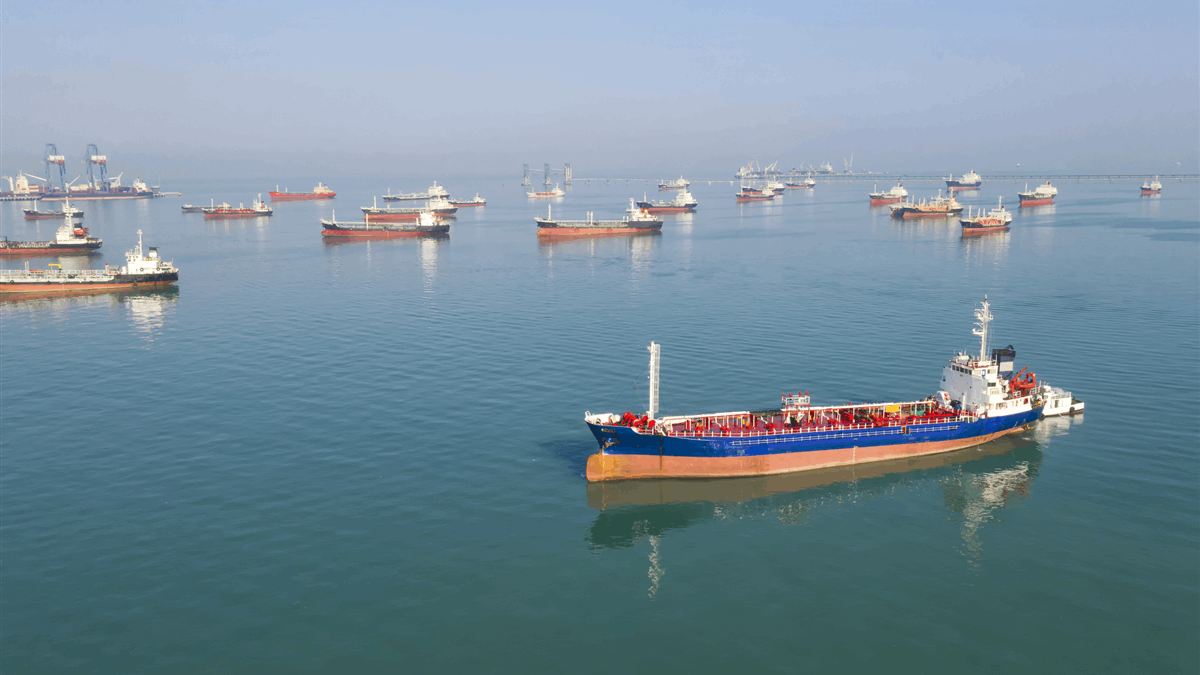
“Blocked Artery”
History shows that major global transitions begin not with battlefield defeat but with disruptions to the economic systems that sustain international stability. Wars become transformative when they intersect with the critical networks through which energy, trade, and finance circulate. In such moments, the question is no longer simply who wins a military confrontation, but whether the broader system that supports the world economy can withstand the strain.
The oil shocks of the 1970s showed how quickly energy disruptions can reverberate through the global economy.
The Strait of Hormuz represents an even more concentrated vulnerability. If shipping through it were significantly restricted, energy markets would react immediately, with effects spreading through manufacturing, transport, and food production.
Energy shocks rarely remain confined to commodity markets. Higher prices spread quickly through production, transport, and financial markets, as well as into inflation. In a highly interconnected economy, disruption in one critical region can rapidly propagate across continents.
Such disruptions also affect financial confidence. Energy prices influence inflation, interest rates, and government borrowing costs across advanced economies. Because the global financial system remains closely tied to dollar-denominated trade and investment, instability in the Persian Gulf energy markets can transmit pressure directly into currency markets and sovereign debt. The effects extend far beyond oil supply alone. When energy routes are threatened, the financial foundations of the post-war economic order can also come under strain.
Because global energy trade remains largely priced in dollars, instability in Persian Gulf energy markets can transmit pressure not only through commodity prices but also through the financial mechanisms that underpin the dollar-centred international system. As the economy at the core of that monetary structure, the United States would face particular exposure to such financial strain.
The political consequences of such economic pressures can be equally significant. Governments facing rising energy costs, slowing economic growth, and public dissatisfaction may face heightened domestic instability. Alliances may strain as states attempt to protect their own economic interests. Countries dependent on Gulf energy supplies could seek alternative arrangements or deepen cooperation with other powers capable of guaranteeing access to resources.
This dynamic explains why conflicts in strategically sensitive regions carry the potential to expand beyond their original scope. When vital economic systems are threatened, the interests of multiple states become entangled. The risk of escalation grows as more actors perceive that their security or prosperity is at stake.
The present confrontation with Iran contains many of these dynamics. The conflict occurs in a region central to global energy supply, and prolonged instability could draw additional powers into the diplomatic or strategic arena.
The greater danger lies not in immediate military escalation but in systemic strain. A prolonged disruption to energy flows through the Persian Gulf would affect economies worldwide. Under such conditions, regional conflict could evolve into a broader geopolitical confrontation as states move to protect the systems on which their stability depends.
The resilience of that system will depend not only on military outcomes but on whether the economic arteries that sustain international commerce remain open. If those arteries begin to fracture, the consequences could reshape the balance of power far beyond the region in which the conflict began.
Conclusion: A System Under Strain
“A System Under Strain”
The war with Iran unfolds at a moment when the international order established after the Second World War is already under significant pressure. Economic power has gradually dispersed across multiple regions, technological leadership is no longer concentrated in a single country, and geopolitical competition has intensified across several theatres. In this environment, the stability of the global system increasingly depends on states’ ability to manage complex networks of energy supply, maritime trade, and financial exchange.
Carroll Quigley’s analysis provides a useful lens for understanding this moment. Dominant powers do not maintain leadership through military strength alone. Their authority rests on their capacity to organise and stabilise the economic and political networks underpinning the wider world economy. When those networks come under strain, the structure of the international order becomes visible.
The confrontation in the Persian Gulf exposes one of the most critical vulnerabilities in the global energy network: the Strait of Hormuz. Instability in this corridor threatens not only regional security but also the broader mechanisms that sustain the world economy.
The conflict reveals a central tension between political decision-making and systemic risk.
Wars can be initiated quickly by individual leaders, but the economic networks they disrupt evolve over decades and connect societies across continents. When military actions intersect with such systems, the consequences extend far beyond the intentions of those who launched them.
The outcome of the war will matter not only for Iran, Israel, or the United States, but for perceptions of whether the system that has governed global economic life since 1945 can still absorb shocks in its most sensitive regions. If disruption spreads through the strategic arteries of the world economy, this conflict may be remembered not as another Middle Eastern war but as the moment the American dollar-dominated post-war order began to unravel.
Don’t stay silent.
If this analysis matters, share it. If independent work matters, support it.
Silence is how unaccountable power becomes normal.
Refuse the comfort of indifference.
Subscribe for unfiltered analysis. Restack to widen its reach.